
-
Lascaux Adhesive Wax 443-95 – Lining, mounting and facing
Pre-order · arrives in 1-2 weeksRegular price 57,24 €Regular priceUnit price per -
Lascaux 375 Hot Melt Adhesive Film
Pre-order · arrives in 1-2 weeksRegular price 345,81 €Regular priceUnit price per -
Lascaux 375 Hot Melt Adhesive (Dry Mixture)
Pre-order · arrives in 1-2 weeksRegular price 216,60 €Regular priceUnit price per -
Lascaux 375 P Hot Melt Adhesive (liquid)
Pre-order · arrives in 1-2 weeksRegular price From 94,70 €Regular priceUnit price perLascaux 375 P Hot Melt Adhesive (liquid)
Regular price From 94,70 €Regular priceUnit price perLascaux 375 P Hot Melt Adhesive (liquid)
Regular price From 94,70 €Regular priceUnit price per -
Lascaux Acrylic Adhesive 498 20-X — Strip-lining and Marouflage of Textiles
Pre-order · arrives in 1-2 weeksRegular price From 47,12 €Regular priceUnit price perLascaux Acrylic Adhesive 498 20-X — Strip-lining and Marouflage of Textiles
Regular price From 47,12 €Regular priceUnit price perLascaux Acrylic Adhesive 498 20-X — Strip-lining and Marouflage of Textiles
Regular price From 47,12 €Regular priceUnit price per -
Lascaux 303 HV Acrylic Adhesive – Heat-Seal Lining and Relining
In stockRegular price 41,90 €Regular priceUnit price per -
Hollytex Lascaux — Non-woven polyester fabric for paper and canvas artwork restoration
Pre-order · arrives in 1-2 weeksRegular price 175,00 €Regular priceUnit price per -
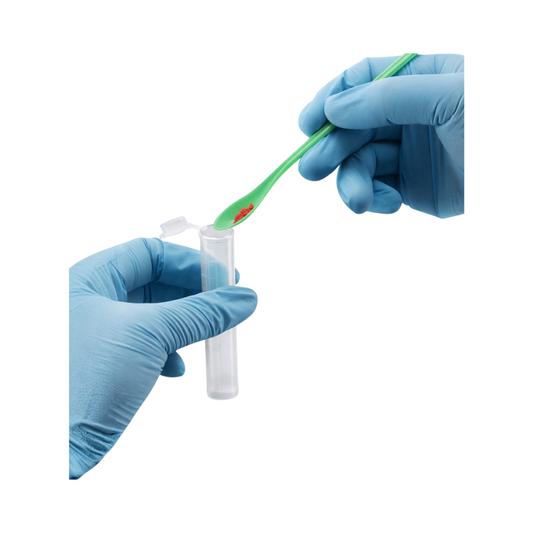
ABS Plastic Laboratory Spoons – Pack of 20/50 Units
In stockRegular price From 8,58 €Regular priceUnit price per20,15 €Sale price From 8,58 €ABS Plastic Laboratory Spoons – Pack of 20/50 Units
Regular price From 8,58 €Regular priceUnit price per20,15 €Sale price From 8,58 €ABS Plastic Laboratory Spoons – Pack of 20/50 Units
Regular price From 8,58 €Regular priceUnit price per20,15 €Sale price From 8,58 €Sale -
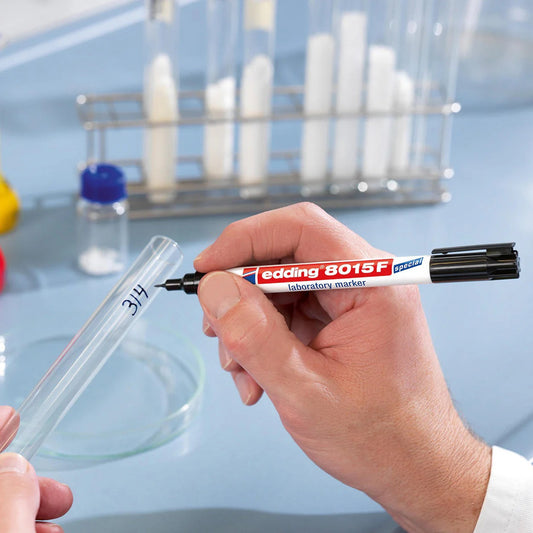
Edding 8015 F Laboratory Marker - Certified Abrasion Resistant
In stockRegular price 3,95 €Regular priceUnit price per -
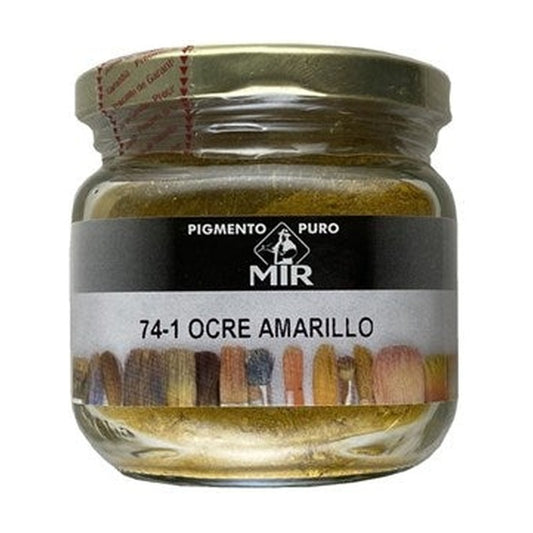
Pure Pigments MIR 150 ml — High Quality for Fine Arts and Restoration
Pre-order · arrives in 1-2 weeksRegular price From 7,85 €Regular priceUnit price per7,85 €Sale price From 7,85 €Pure Pigments MIR 150 ml — High Quality for Fine Arts and Restoration
Regular price From 7,85 €Regular priceUnit price per7,85 €Sale price From 7,85 €Pure Pigments MIR 150 ml — High Quality for Fine Arts and Restoration
Regular price From 7,85 €Regular priceUnit price per7,85 €Sale price From 7,85 € -
MIR Gloss Varnish 125ml for Oil Painting
Pre-order · arrives in 1-2 weeksRegular price 6,20 €Regular priceUnit price per8,28 €Sale price 6,20 €Sale -
MIR Retouching Varnish 125ml - Color Reactivator for Oil Painting
Pre-order · arrives in 1-2 weeksRegular price 7,15 €Regular priceUnit price per7,59 €Sale price 7,15 €Sale -
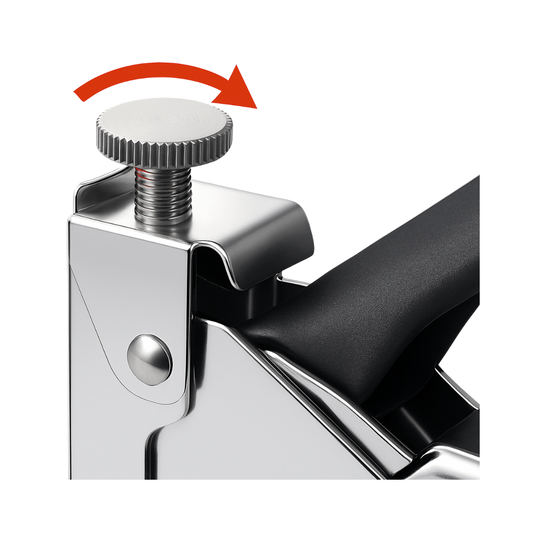
Professional 3-in-1 Manual Stapler for Canvases and Frames | Compatible with T, U, and Door Staples | Reinforced Steel
In stockRegular price 11,99 €Regular priceUnit price per15,99 €Sale price 11,99 €Sale -
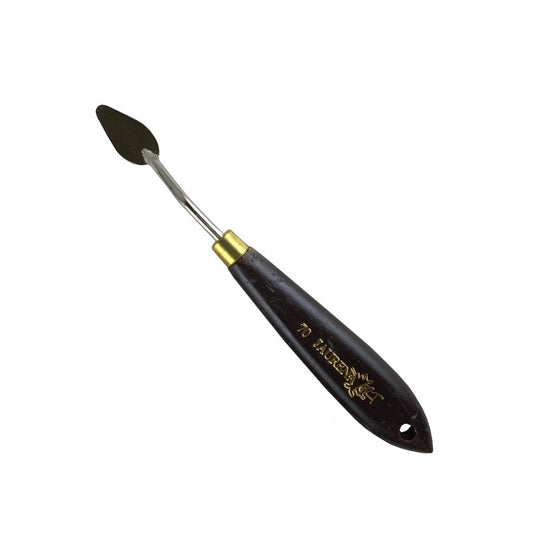
Pack of 3 MIR Spatulas - Steel and Wooden Handle (No. 12, 42, 70)
In stockRegular price 10,90 €Regular priceUnit price per10,90 €Sale price 10,90 € -
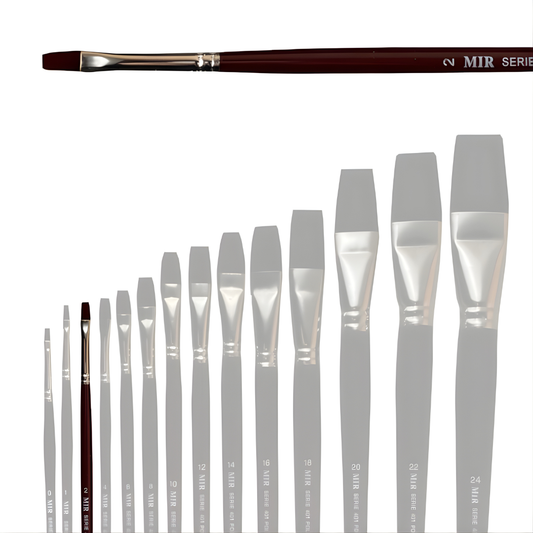
MIR Teijin Synthetic Flat Brush Ref. 401 - Oil and Acrylic (No. 0-24)
Some sizes on pre-orderRegular price From 4,72 €Regular priceUnit price perMIR Teijin Synthetic Flat Brush Ref. 401 - Oil and Acrylic (No. 0-24)
Regular price From 4,72 €Regular priceUnit price perMIR Teijin Synthetic Flat Brush Ref. 401 - Oil and Acrylic (No. 0-24)
Regular price From 4,72 €Regular priceUnit price per -
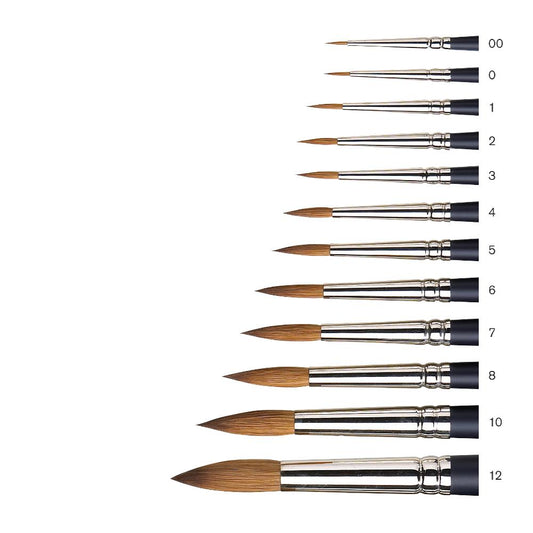
Winsor & Newton Artists' Water Colour Sable · Round Sable Brush No. 12
Pre-order · arrives in 1-2 weeksRegular price 168,02 €Regular priceUnit price per -
CTS series 522 flat pure-bristle brush — from 20 to 100 mm
Pre-order · arrives in 1-2 weeksRegular price From 3,95 €Regular priceUnit price perCTS series 522 flat pure-bristle brush — from 20 to 100 mm
Regular price From 3,95 €Regular priceUnit price perCTS series 522 flat pure-bristle brush — from 20 to 100 mm
Regular price From 3,95 €Regular priceUnit price per -
CTS gum mastic tears — natural resin for painting varnish, 50 g
Pre-order · arrives in 1-2 weeksRegular price 30,95 €Regular priceUnit price per -
Citric acid 99.5% (1 kg)
In stockRegular price 12,45 €Regular priceUnit price per -
Klucel® G (500 g)
In stockRegular price 118,94 €Regular priceUnit price per -
Sturgeon Glue (1 kg)
Pre-order · arrives in 1-2 weeksRegular price 129,95 €Regular priceUnit price per











Canvas Painting
Materials for canvas painting intervention: relining adhesives, consolidants, linen canvases, primer, and stretching tools, from Lascaux, CTS, MIR, and Divolo Firenze, among other brands.
Frequently Asked Questions about Canvas Painting Restoration
Which consolidant to choose for a canvas painting: Aquazol 200, Klucel G, or Lascaux Medium for Consolidation?
It depends on the working system. Aquazol 200, a poly(2-ethyl-2-oxazoline), is used at 10 to 25% in water; 10% ethanol improves penetration into apolar surfaces like oil paint. It is thermoplastic: it also allows consolidation with heat. Klucel G, hydroxypropylcellulose, dissolves in water below about 38 °C or in ethanol; in easel painting, it is used to consolidate matte or powdery paint, and it dries matte with little saturation. Lascaux Medium for Consolidation, an aqueous dispersion of an acrylic copolymer with high penetration, is indicated for loose and powdery paint layers on textile or wood supports. Its dry film dissolves in acetone.
What is Hollytex used for in canvas painting?
It is a heat-calendered polyester non-woven fabric, with a smooth surface, resistant to solvents and tearing. In canvas painting, it is used in two ways. As an interlayer in relining, between the original canvas and the relining canvas: without weave and dimensionally stable, it serves to provide rigidity or to prevent the weave of the relining canvas from showing through. It has been used this way with BEVA 371, and Lascaux 375 P can be applied over such an interlayer. In perimeter strips, thin strips adhered to the edges of the reverse side join the painting to a heavier canvas, which provides the new tacking margins.
What is the difference between Lascaux 303 HV and 498 HV?
Both are thickened aqueous dispersions of acrylic copolymer; what changes is how the film works. Lascaux 303 HV is extremely elastic (elongation at break greater than 1000%) and its dry film is tacky: it is used as a contact adhesive in heat-seal relinings, and seals from about 50 °C. 498 HV is the standard type for relining and marouflaging: a hard elastic film, non-tacky, that seals from 68-76 °C and allows for wet or dry application, reactivating it with solvent. Once dry, 303 HV dissolves well in acetone, toluene, and xylene, and 498 HV in acetone, ethanol, toluene, and xylene.
What type of adhesive should I choose for relining: acrylic dispersion, heat-seal adhesive, or adhesive wax?
The choice depends on the case; what changes is how each family works. Aqueous acrylic dispersions (Lascaux 303 HV, 498 HV and 498 20-X) are diluted in water and applied wet or by reactivating the dry film with heat or solvent. Heat-seal adhesives (Lascaux 375 P, 375 in dry mix, 375 film, and BEVA 371) are activated with heat. The 375 P, after the solvent has evaporated (about 24 h), seals at 62-65 °C on a hot table with light vacuum, iron, or heat gun. Lascaux 443-95 adhesive wax (microcrystalline wax and resin) is worked liquid at about 60 °C and seals at 68 °C, preferably with vacuum.
What is isinglass and how does it differ from rabbit glue?
Isinglass is a protein fish glue; sturgeon isinglass can be obtained from the skin, cartilage, or swim bladder. With rabbit glue, the origin, preparation, and use change. CTS Sturgeon Isinglass is obtained from the skin; it swells in cold water, disperses when hot, and is indicated for joining and consolidating paint layers on canvas and panel. Divolo Firenze rabbit glue, from rabbit skins in granules, is soaked in cold water for 8-10 h and heated in a bain-marie without boiling (glue/water 1/7 to 1/10); it is indicated for gilding, canvas sizing, and restoration.
What tools are needed to stretch a new canvas on its stretcher?
You work with a canvas stretching plier and a stapler. The pliers leverage against the stretcher and distribute the effort better than stretching with fingers alone. Staples should enter perpendicularly and completely, and be placed close together, about 1.3 cm apart. If the stretcher is wedged, it is advisable to let the canvas stabilize before applying more tension. To remount an original canvas whose tacking margin is insufficient, a perimeter strip of similar weight and material to the original is used; Lascaux 498 20-X is indicated for perimeter strips.